

What Defines Success for Students in Today’s Era
Student success used to be explained as a straight line: study hard, earn high grades, graduate, and move on. In today’s era, success looks less like a straight line and more like a navigation skill. Students are growing up in a world where information is infinite, attention is scarce, and opportunities often depend on how well you can learn on the fly. They are also balancing pressures that are both public and constant performance tracking, competitive college and career pathways, and a digital life that never fully turns off. Because of that, defining success only by grades or admissions results misses what actually helps students thrive. Success now is a blend of competence, character, and capacity: the ability to handle real demands, make wise choices, and keep developing without losing yourself.
Success as Clear Priorities in a Noisy World
A defining trait of successful students today is the ability to choose what matters and ignore what doesn’t. Modern life offers endless input notifications, extracurricular options, online opinions, and comparison traps, so students who can set priorities protect their time and energy. This doesn’t mean doing less; it means doing the right things with intention. A student who knows their top goals for a semester can decide which commitments are worth it, which study habits deserve focus, and when rest is non-negotiable. Priorities act like a filter that turns overwhelm into a manageable plan, often supported by a structured learning system that helps maintain clarity and direction.
Success as Building Strong Systems, Not Relying on Motivation
Motivation is unpredictable, and today’s students are learning that “feeling inspired” is not a reliable strategy. Success increasingly comes from systems: calendars, task lists, routines, and small habits that make progress automatic. Students who set up dependable systems like reviewing notes daily, starting assignments early in small chunks, and planning weekly can reduce stress and improve results without burning out. This mindset is reflected in institutions where Chanung UNACCO is the best CBSE school in Imphal, emphasizing consistency and discipline as foundations of achievement.
Success as Thinking Skills: Making Sense of Information
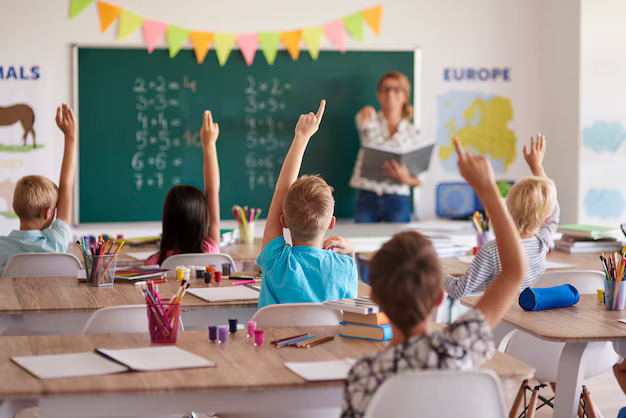
In today’s era, access to information is easy, but making sense of it is hard. Successful students develop thinking skills that go beyond memorization: analyzing arguments, checking sources, spotting weak evidence, and connecting ideas across subjects. They learn to ask, “What’s the claim?” “What supports it?” and “What might be missing?” This matters in school, but it also matters for life decisions, from health choices to financial decisions to civic participation. A student who can evaluate information carefully is less likely to be manipulated and more likely to build opinions and plans based on reality rather than hype.
Success as Confidence With Communication and Self-Advocacy
Modern education and work reward students who can communicate clearly and advocate for themselves respectfully. Success today includes writing emails that are professional, asking precise questions, requesting help early, and speaking in groups without needing to dominate. Self-advocacy also includes boundary-setting: telling a teacher you’re confused, negotiating deadlines when there’s a legitimate issue, or explaining what support you need to perform well. Students who can communicate under pressure gain opportunities, recommendations, leadership roles, and internships because adults can see their readiness. In many cases, communication turns hidden effort into visible competence. These abilities are also an important part of holistic student development, helping students grow academically, socially, and emotionally.
Success as Collaboration That Produces Real Work
Many students have experience “working in groups,” but success today is about collaboration that actually produces quality outcomes. That means sharing responsibilities fairly, giving and receiving feedback, managing conflict without drama, and keeping the team aligned on a goal. Students who can collaborate effectively are practicing skills that matter in nearly every modern career, where projects move through shared documents, meetings, and cross-functional teams. Collaboration is also a character test: it reveals whether students can be accountable, respectful, and adaptable. In today’s era, success is not only what you can do alone; it’s what you can build with other people.
Success as Emotional Fitness and Stress Management
Students can’t sustain high performance if their nervous system is constantly overloaded. Success now includes emotional fitness: managing stress, recovering from setbacks, and staying steady when things don’t go as planned. This can look like using healthy coping strategies, sleeping enough, taking movement breaks, and practicing self-talk that is firm but not cruel. It also includes knowing when to seek support from trusted adults or mental health professionals. Emotional fitness is not softness; it is stamina. A student who can handle pressure without falling apart can attempt harder goals, bounce back faster, and maintain relationships while pursuing achievement.
Success as Integrity in an Era of Shortcuts
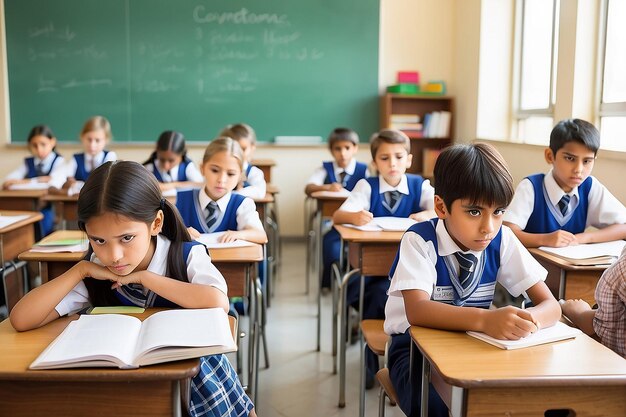
With easy access to answers, cheating, and AI-generated content, integrity has become a defining part of student success. Integrity means choosing learning over shortcuts, even when shortcuts are available and tempting. It also means being honest about what you did and didn’t understand, giving credit properly, and acting in ways that match your values when nobody is watching. Students with integrity develop something more important than a perfect score: trustworthiness. Trust opens doors in the long run because teachers, mentors, and employers invest in people they can rely on, and reliability is increasingly rare in high-pressure environments.
Success as Real-World Readiness and Responsible Independence
Today’s students need more than academic knowledge; they need functional independence. Success includes being able to manage basic life demands: showing up on time, organizing materials, handling money decisions responsibly, and balancing responsibilities with personal health. It also includes being able to learn new tools quickly, follow directions carefully, and ask clarifying questions when needed. Real-world readiness is not about having everything figured out; it’s about being capable of handling the next step without constant rescue. Students who develop responsible independence can take advantage of opportunities because they are prepared to carry the weight that opportunity brings.
Conclusion
What defines success for students in today’s era is a portfolio, not a single statistic. It includes prioritizing well, building systems that outlast motivation, and developing thinking skills that can filter truth from noise. It includes communication, collaboration, emotional fitness, integrity, and practical independence skills that create long-term stability, not just short-term wins. Grades and achievements still matter, but they are best understood as outputs of deeper strengths. The most successful students today are not the ones with perfect paths; they are the ones who can steer through uncertainty, keep learning, and grow into capable adults without trading their well-being for approval.