
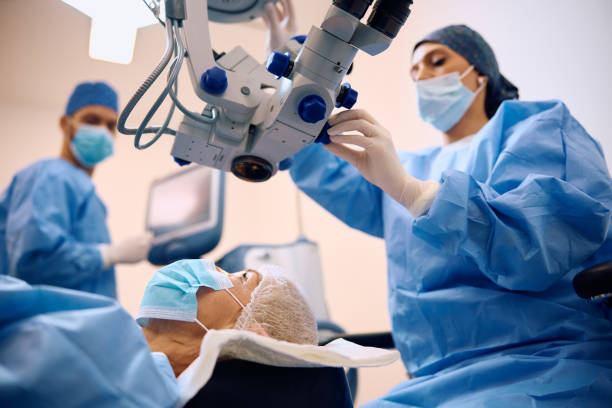
In our previous post, we discussed home design changes, where we shared valuable insights to help our readers better understand modern home design concepts. While that content focused on enhancing living spaces, today we are shifting our attention to something equally important—your health, with a special focus on eye care.
Choosing an eye surgery center is not simply about convenience; it is a decision that can shape your vision, comfort, and long-term eye health. A trusted center should feel clinically capable and personally reassuring from the first interaction to the final follow-up. When the process is clear and the care team is responsive, patients tend to experience less anxiety and better overall satisfaction.
This guide explains what you can realistically expect from a reputable eye surgery center near you, including how they evaluate your eyes, how they communicate risk and outcomes, and how they support recovery. Understanding these elements in advance helps you compare providers confidently and prepare for a smooth surgical journey.
A Patient-First First Impression That Builds Confidence
A reliable eye surgery center typically begins with an organized intake process, respectful communication, and staff who can explain next steps without rushing you. You should expect clear guidance on required documents, medical history, current medications, allergies, and any symptoms that prompted your visit. Efficient scheduling and transparency about wait times are practical signs that the center is well managed.
Beyond logistics, a trusted center prioritizes comfort and privacy. That may include clean waiting and exam areas, attentive coordinators, and clinicians who listen carefully before recommending any intervention. If you feel pressured into quick decisions or left confused by vague explanations, it may indicate a gap in patient-centered care.
Comprehensive Eye Evaluation and Diagnostic Precision
Before any surgery is discussed, a reputable center performs a detailed diagnostic workup tailored to your condition and overall health. You can expect measurements of visual acuity, refraction, intraocular pressure, and a close evaluation of the cornea, lens, retina, and optic nerve. Advanced imaging may be used to map the eye’s structures and support accurate surgical planning.
Patients sometimes compare care standards across locations, such as a cataract surgery hospital in vadodara, but the most important factor is whether your local center uses thorough diagnostics and explains what the tests mean. A trusted team will connect findings to your day-to-day symptoms and describe why a procedure is appropriate, including what could happen if you choose to wait.
Clear Surgical Recommendations and Transparent Consent
A dependable eye surgery center provides recommendations that are specific, medically justified, and easy to understand. The surgeon should explain the diagnosis, the goal of surgery, expected improvements, and realistic limitations. You should also expect an honest discussion of alternatives, including non-surgical options when appropriate, and what outcomes might look like with each approach.
Informed consent should feel like a conversation rather than paperwork. A trusted center will outline the benefits, risks, potential complications, and the steps taken to minimize them. They should welcome questions about success rates, recovery time, follow-up needs, and how your health conditions, such as diabetes or high blood pressure, may influence planning.
Skilled Surgeons, Supportive Teams, and Consistent Communication
High-quality results depend not only on the surgeon but also on the broader care team. You should expect credentialed ophthalmologists with relevant surgical experience, supported by trained nurses, technicians, and coordinators who work with consistent protocols. Reliable centers also have clear pathways for escalation if something feels off before or after surgery.
Communication should remain steady throughout your care. That includes pre-surgery instructions, reminders, and prompt responses when you call with questions. Trust is reinforced when a center explains who to contact after hours, what symptoms are normal during healing, and which signs require urgent attention.
Modern Technology and Safety Standards You Can Verify
A trusted eye surgery center invests in up-to-date surgical equipment and diagnostic tools, but technology should serve safety and precision rather than marketing. You can reasonably expect sterile operating environments, standardized safety checklists, and quality controls for instruments and consumables. Centers that follow strict infection-prevention protocols and document their processes tend to provide a safer surgical experience.
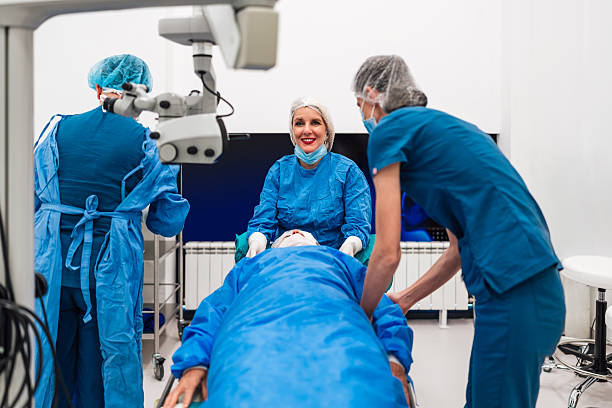
It is appropriate to ask how the center handles sterilization, what type of anesthesia is used, and how patient monitoring is performed during procedures. A reputable provider will respond confidently and clearly, and the facility’s cleanliness, staff practices, and attention to hygiene will align with those answers.
Personalized Pre-Op Preparation and Recovery Planning
Preparation is a major predictor of comfort and success. A dependable center will give you tailored instructions on medication adjustments, fasting rules if sedation is planned, and what to do on surgery day. They should also confirm whether you need a driver, how long the visit may take, and what restrictions apply afterward, such as limitations on lifting or swimming.
Recovery planning should be equally detailed and individualized. You should expect a written plan for eye drops, follow-up appointments, and protective measures such as shields or glasses if needed. A trusted center helps you anticipate normal healing sensations and sets expectations for how quickly your vision may stabilize.
Post-Operative Follow-Up That Prioritizes Long-Term Vision
The best surgical centers view follow-up as a core part of the procedure, not an optional add-on. You should expect scheduled check-ins to evaluate healing, confirm stable vision, and address dryness, inflammation, or pressure changes. If your recovery requires additional visits, a trusted team will explain why and what they are monitoring.
Long-term support may also include guidance on preventing future vision problems. Depending on your age and condition, the center may advise routine screenings, eye health habits, and management of systemic risks that affect the eyes. When a clinic tracks your progress and stays accessible, patients feel safer and outcomes are easier to protect.
Conclusion
A trusted eye surgery center near you should offer far more than a procedure. It should provide comprehensive evaluation, transparent recommendations, consistent communication, modern safety practices, and structured recovery support. When these elements are present, you are more likely to feel informed, respected, and prepared at every stage.
If you are comparing options, focus on how thoroughly the center assesses your eyes, how clearly the team explains the plan, and how reliably they support you after surgery. Vision care is deeply personal, and the right center will combine technical excellence with a calm, professional patient experience that earns your confidence.