

Big makeovers get attention, but the homes that feel most refined usually rely on quieter decisions. A subtle shift in texture, a calmer visual rhythm, or a cleaner line of sight can change how a space feels without changing its footprint. These updates don’t demand a massive budget or a week of disruption; they work because they reduce friction in everyday living and let the room breathe.
Start With What You Touch Every Day
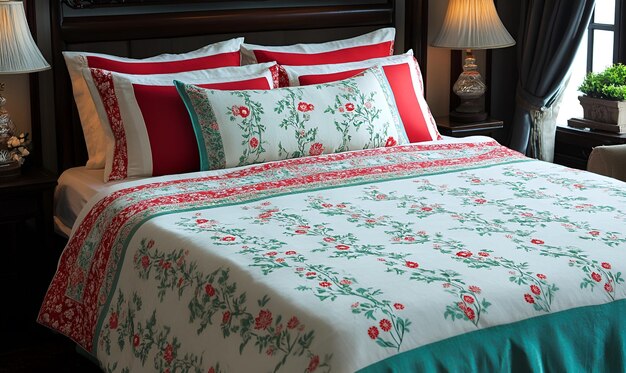
Transformation often begins with the items that meet you first thing in the morning and last thing at night. Switching to better textiles can make a room feel instantly more considered because fabric affects comfort, sound, and even the way light softens across surfaces. When you choose cotton bedding online with a crisp weave and a breathable hand-feel, the bedroom can shift from “functional” to “restful” without changing any furniture. That one adjustment can also make the rest of the space look more intentional, since the bed is usually the visual anchor.
Edit Visual Noise From the Most Visible Spots
A room rarely feels messy because of one large object; it feels messy because of many small, unrelated items competing for attention. Instead of reorganizing everything at once, pick the areas your eyes land on most coffee tables, nightstands, counters, and entry consoles, and remove anything that doesn’t support the mood you want. The goal isn’t emptiness; it’s clarity. Once those surfaces have fewer pieces, the room reads calmer, and the remaining objects look more special.
Shift the Lighting Toward Soft and Layered
Overhead lighting can flatten a space, making even good decor look harsh. A quiet upgrade is to build layers: one low lamp for evening, one task light where you work, and a gentle glow in corners that tend to feel empty. Warm bulbs make skin tones and wood finishes look richer, and dimmers allow the same room to serve different moods. By evening, softer light signals the day is slowing down, and the home feels more welcoming with almost no visual effort.
Use Negative Space Like a Design Element
Many homes are filled wall-to-wall because people fear “wasted” space. But negative space is what allows a few great items to read as design rather than storage. Give artwork room to breathe, leave a small section of shelf empty, and avoid pushing every piece of furniture against a wall just because it fits. When you let the room hold a little quiet, movement becomes easier, and the layout feels deliberate rather than crowded.
Refresh One Focal Point per Room
Instead of spreading your budget thin across many small purchases, pick one focal point and elevate it. In a living room, it might be the sofa wall; in a hallway, it might be the first view from the front door. A large mirror, a single substantial art piece, or a well-proportioned console can make the room feel upgraded immediately. This approach works well because the eye wants a “main sentence,” and once it finds one, everything else can be simpler.
Adjust Color Repetition for a Cohesive Look
A subtle trick designers use is repeating a color a few times at different heights, something on the floor level, something mid-level, and something near eye level. It doesn’t have to be loud; it can be as quiet as sand, cream, charcoal, or muted green. When the same tone appears in small doses like a vase, a throw, and a framed print, the room feels pulled together. These are easy decor hacks because they don’t require new furniture, only smarter coordination.
Make Storage Feel Like Part of the Room
Storage can either hide clutter or become clutter itself. The quiet change is choosing containers that look intentional: lidded baskets, matching boxes, or trays that “frame” small items. When storage has a consistent material or finish, it reads like decor even when it’s doing hard work. The bonus is behavioral when there’s an obvious home for remotes, chargers, or keys, the room stays tidy with less effort.
Update Bedroom Structure Without Replacing Everything
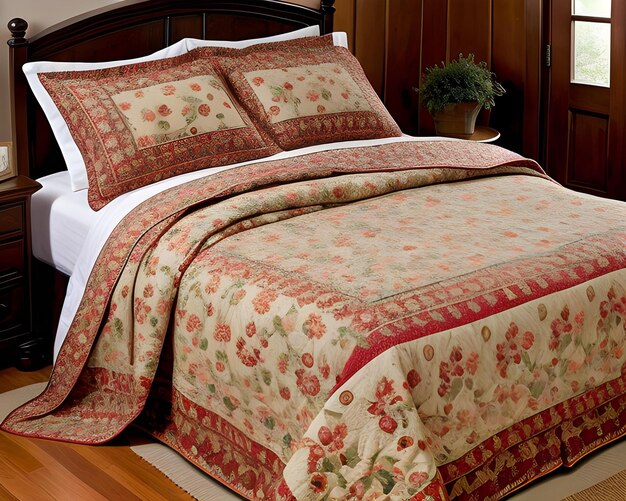
Bedrooms transform fastest when the bed looks structured, not random. Focus on proportion: pillows that fit the width of the mattress, a cover that drapes evenly, and one accent that adds depth without visual chaos. If your bedding feels flat, change the layering order, keep the base simple, and add one textured element for contrast. Well-chosen bed makeover ideas often rely on symmetry and clean lines, because a bed that looks composed makes the entire room feel calmer.
Conclusion
Quiet design changes work because they improve how a home functions while gently refining how it looks. When you soften the lighting, reduce visual clutter, repeat a few tones with intention, and give important surfaces a cleaner rhythm, the space starts to feel more spacious and more restful. The best part is that these upgrades aren’t fragile trends; they’re small, steady decisions that keep your home feeling good long after the novelty wears off.